
Winter in Japan can be an amazing time to travel, from snowy landscapes and winter illuminations to seasonal food and activities. But if it’s your first winter trip, there are a few things that can easily catch you off guard.
From dressing for indoor heating to dealing with slippery streets and changing weather conditions, here are some common first-timer mistakes to avoid during winter in Japan.
Wearing Clothes That Are Too Thick
Japan’s trains, malls, restaurants, and other indoor spaces can be surprisingly warm during winter. Wearing one very thick layer can quickly become uncomfortable once you step inside.
Instead, try wearing several lighter layers that you can easily add or remove depending on where you are. This makes it much easier to adjust between cold outdoor temperatures and warm indoor spaces.
Wearing the Wrong Shoes
Winter streets can become slippery, especially when snow or ice starts to melt. Wet sidewalks can also leave your feet cold and uncomfortable if your shoes don’t have enough water resistance.
Choose shoes with good grip and some protection from water, especially if you’re visiting a snowy destination. Comfortable footwear is also important because you’ll likely be walking much more than expected while sightseeing.
Forgetting to Stay Hydrated
Cold weather can make you feel less thirsty, but your body still needs water throughout the day. It’s easy to forget about hydration when you’re busy exploring winter attractions.
Remember to drink regularly, especially if you’re walking around for hours or spending time outdoors.
Ignoring Your Skincare
Winter in Japan can bring cold and dry air, which can quickly leave your skin and lips feeling dry or cracked. Spending long hours outside can make the problem even more noticeable.
Keep lip balm and moisturizer in your bag, and don’t skip sunscreen just because it’s winter. Your skin still needs protection during the colder months.
Not Preparing for Your Phone Battery to Drop
Extremely cold temperatures can cause smartphone batteries to drain faster than usual. This can become a problem when you rely on your phone for navigation, train schedules, translations, tickets, and photos.
Keep your phone somewhere relatively warm, such as an inside pocket, and bring a power bank so you don’t run out of battery while traveling.
Not Checking Transportation Updates
Winter weather can affect transportation, especially in areas that experience heavy snow. Trains and buses may be delayed, and road conditions can also affect travel times.
Before heading out, check the latest transportation updates and leave some extra time in your itinerary. This is especially important if you have reservations or are traveling between cities.
Forgetting to Check Opening Hours
Winter travel schedules can sometimes be different from what you find in older travel guides or itineraries. Some attractions may have seasonal opening hours or close earlier during winter.
Always check the latest opening hours before visiting. This simple step can save you from arriving at a destination only to find that it has already closed.
Forgetting a Universal Adapter
Japan uses Type A electrical outlets, so travelers from countries with different plug types may need a travel adapter.
It’s an easy thing to forget, but you’ll need it to charge your phone, camera, power bank, and other travel essentials. Pack one before your trip so you don’t have to spend time looking for one after you arrive.
Bringing the Wrong Hair Dryer or Hair Straightener
Don’t just check whether the plug fits. Voltage compatibility is also important when bringing electrical appliances to Japan.
Japan uses 100V electricity, while many appliances from Indonesia are designed for 220–240V. A device that only supports higher voltage may not work properly in Japan, even if you have the right plug adapter.
Always check the voltage range of your hair dryer, hair straightener, or other electrical appliances before packing them.
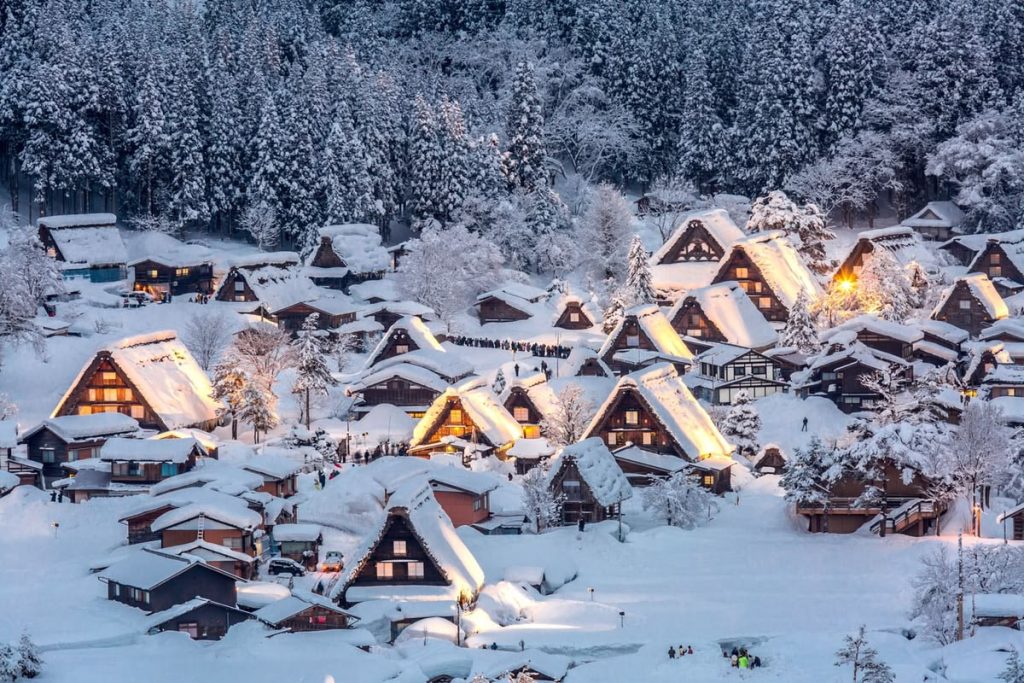
Assuming Every Part of Japan Has the Same Winter
One of the biggest mistakes first-time visitors can make is treating “winter in Japan” as one climate.
Winter can look very different depending on where you’re going. Tokyo, Kyoto, Hokkaido, and Japan’s mountain regions can have very different temperatures, snowfall, and road conditions.
Instead of packing based only on the season, check the weather and conditions for your specific destination and travel dates.
Ready for Your Winter Trip to Japan?
A little preparation can make a big difference when traveling in Japan during winter. Dress in layers, prepare for changing weather, keep your essentials charged, and always check the latest transportation and attraction information before heading out.