
Summer Flowers in Japan: A Guide to Japan’s Most Beautiful Seasonal Blooms
Japan’s beauty isn’t limited to cherry blossoms. Throughout summer, the country transforms into a colorful landscape filled with vibrant flower fields, fragrant gardens, and seasonal festivals. From lavender covered hills and golden sunflower fields to elegant hydrangeas and lotus ponds, each flower offers a unique glimpse into Japan’s natural charm and cultural traditions. Whether you’re planning a summer trip or simply looking for inspiration, these seasonal blooms are not to be missed.
Lavender
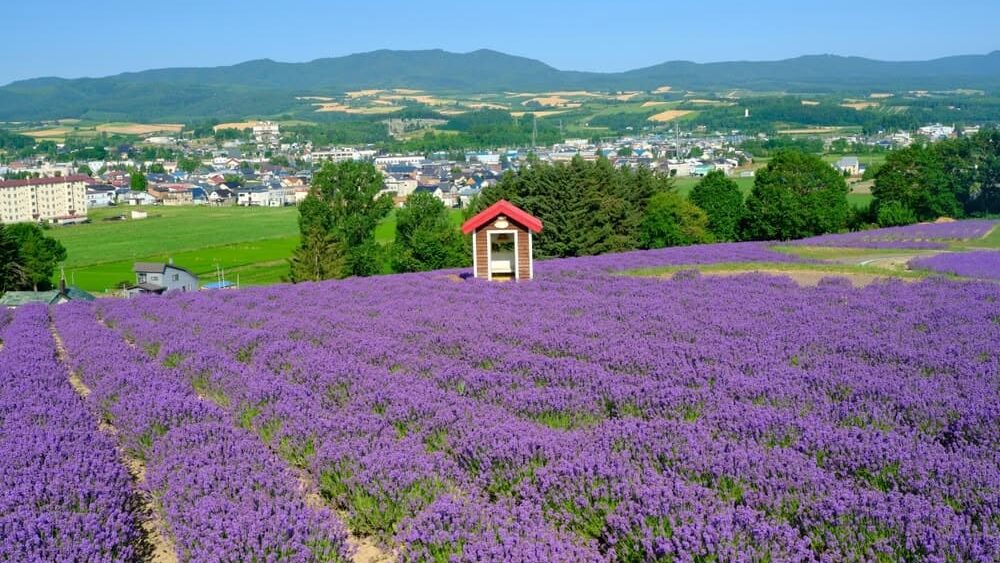
Located in Ranzan, Saitama Prefecture, Sennen no Sono Lavender Field is one of the largest lavender fields in the Kanto region, covering approximately 6.5 hectares. Every June, the field hosts the Ranzan Lavender Festival, attracting visitors with its breathtaking purple landscapes and soothing fragrance. More than 15,000 lavender plants representing multiple varieties bloom across the area, creating a picturesque setting just an hour from central Tokyo. Visitors can enjoy flower picking activities, craft their own lavender sticks, and sample local specialties, including the popular lavender soft serve ice cream. The festival offers a peaceful escape from the city and is one of the best places to experience Japan’s early summer flower season.
Himawari (Sunflower)
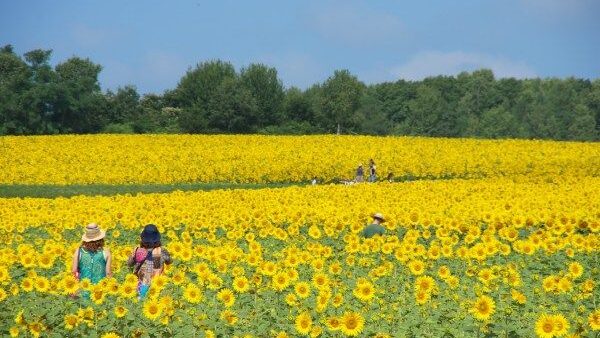
Himawari, the Japanese word for sunflower, is one of the most iconic symbols of summer in Japan. Blooming from mid July through August, these bright yellow flowers represent positivity, energy, and hope. Across the country, sunflower festivals showcase millions of blooms stretching across vast fields, creating spectacular golden landscapes. Many sunflower parks feature walking trails, flower mazes, observation decks, and seasonal treats such as sunflower themed ice cream. Their cheerful appearance and impressive scale make sunflower fields a favorite destination for photographers and travelers alike.
Asagao (Morning Glory)
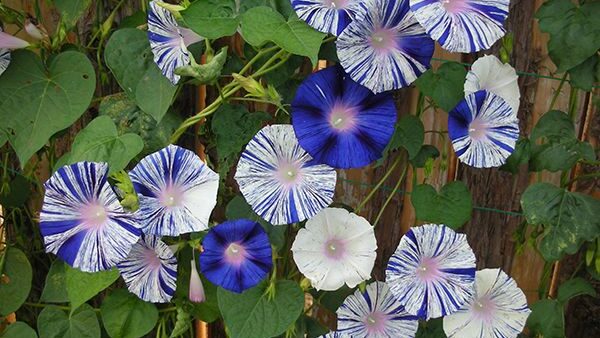
Asagao, or morning glory, is one of Japan’s most beloved traditional summer flowers. Known for its delicate trumpet shaped blossoms, it blooms in vibrant shades of blue, purple, pink, and white during the warm summer months. The flower has been admired in Japan for centuries and is often associated with summer mornings because its blooms open early in the day. In regions such as Furano, Hokkaido, asagao adds beautiful accents to the area’s famous flower fields alongside lavender and other seasonal blooms. Its elegant appearance and cultural significance make it a timeless symbol of Japanese summer.
Ajisai (Hydrangea)
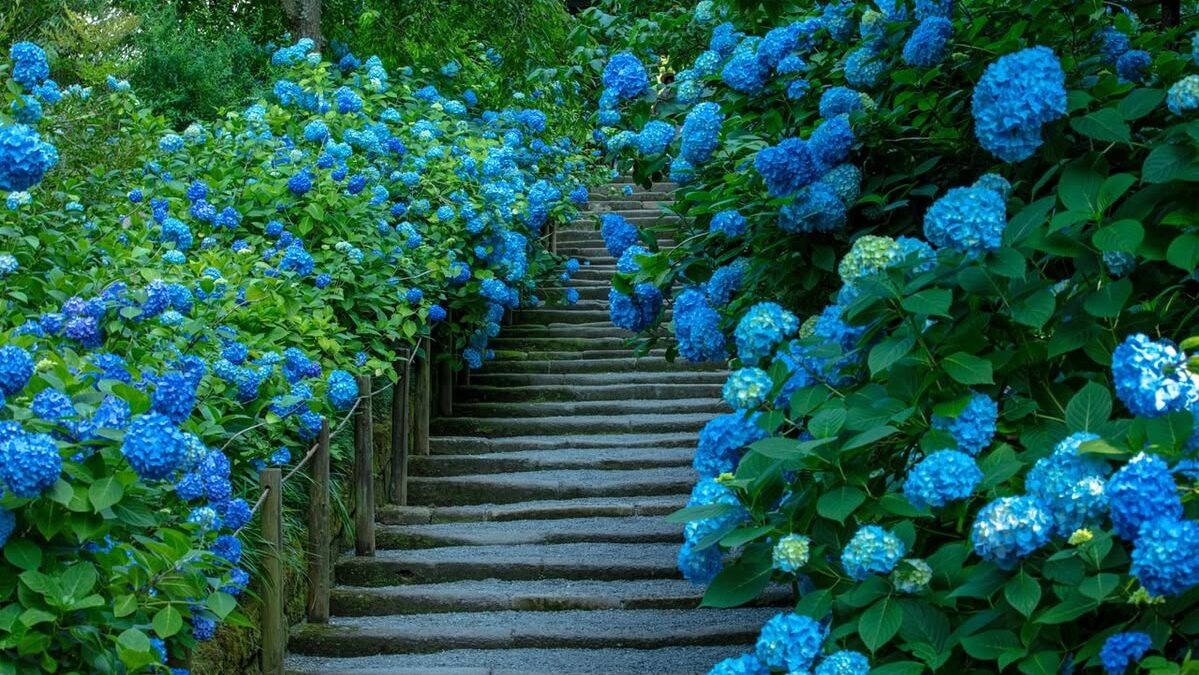
Ajisai, or hydrangea, is widely recognized as the flower of Japan’s rainy season. Blooming from June to July, these lush flowers are admired for their remarkable ability to change color depending on soil acidity. Shades of blue, purple, pink, and white can often be seen blooming side by side, creating stunning landscapes throughout temples and gardens. Ajisai is also deeply rooted in Japanese culture and is often associated with gratitude, understanding, and the beauty of change. During peak season, many famous temples and parks host Ajisai festivals that attract visitors from across the country.
Hasu (Lotus)
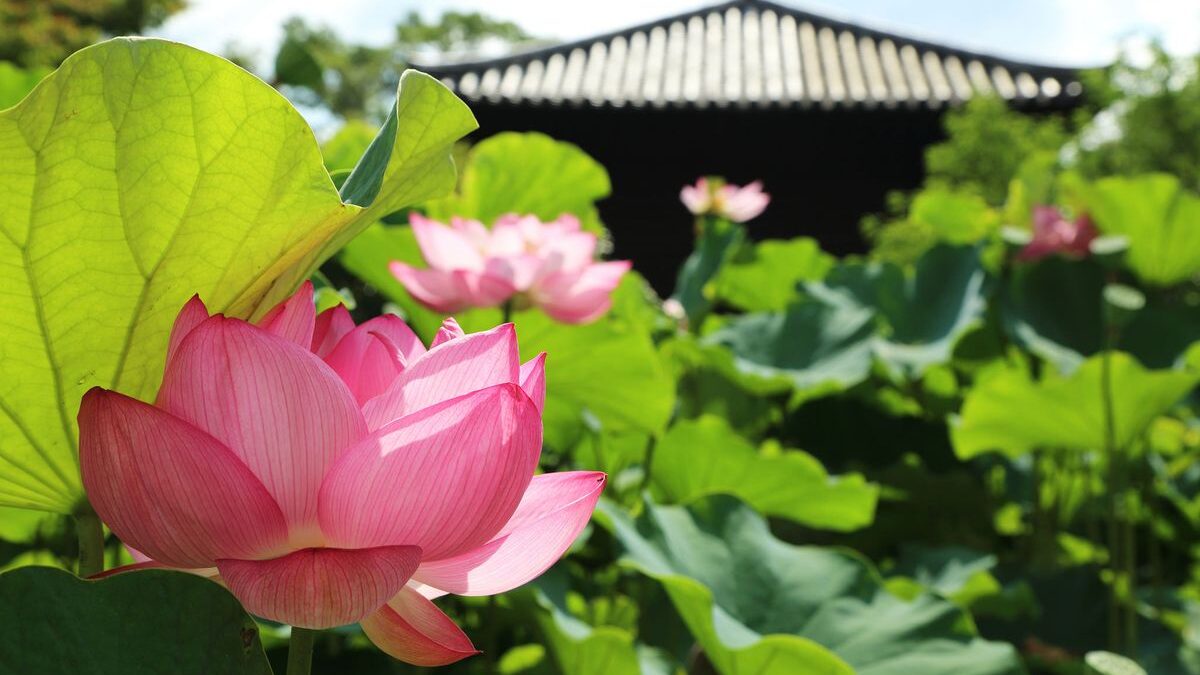
Hasu, the Japanese lotus flower, is a treasured symbol of purity and enlightenment. Although it grows from muddy pond beds, its blossoms emerge clean and beautiful above the water, making it an important symbol in Buddhist culture. Lotus flowers typically bloom from mid July through August and are best viewed early in the morning when their petals are fully open. Their elegant pink and white blooms create a peaceful atmosphere in temple ponds and traditional gardens. Popular viewing locations include Tokyo’s Shinobazu Pond and Kyoto’s historic temple gardens.
Hanashobu (Japanese Iris)
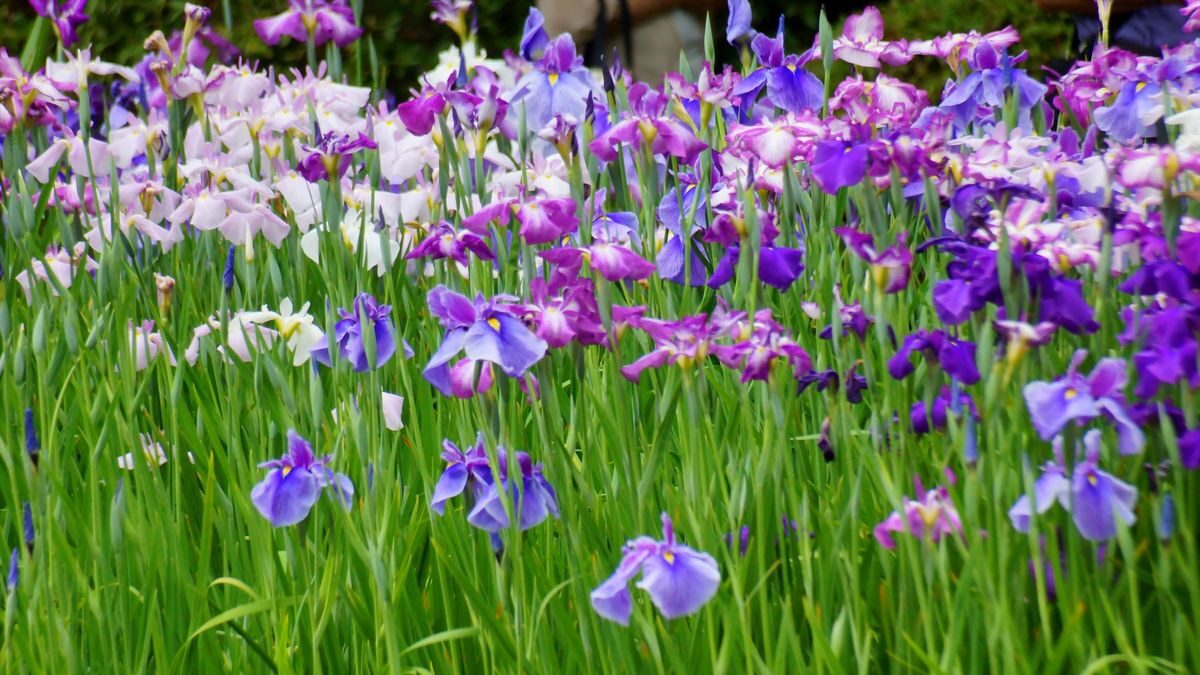
Hanashobu, or Japanese iris, blooms from June to early July and is celebrated for its graceful petals and vivid colors. Since the Edo period, it has been cultivated extensively and frequently appears in traditional Japanese art and literature. The flower thrives in wetland gardens, riverbanks, and marshy areas, where large displays create breathtaking seasonal scenery. In Japanese flower language, hanashobu symbolizes good news, elegance, and inner strength. During blooming season, visitors can enjoy dedicated iris festivals at famous gardens throughout Japan.
Kuchinashi (Gardenia)
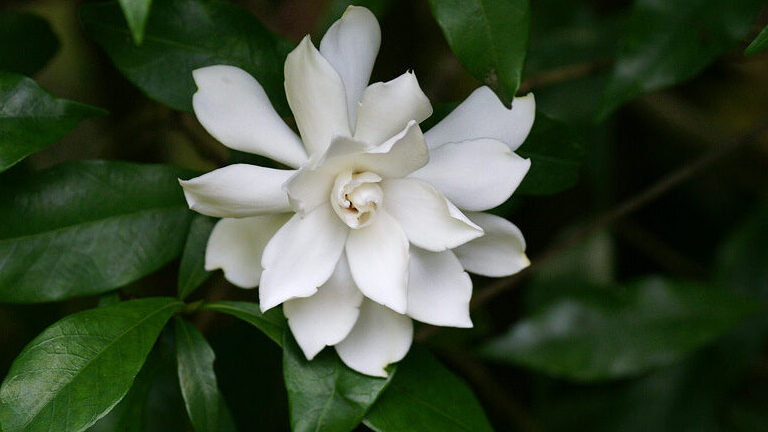
Kuchinashi, known as gardenia in English, blooms from late June into July and is cherished for its pure white petals and sweet fragrance. Its scent is often compared to jasmine and can be enjoyed throughout parks, temple grounds, and traditional gardens. In Japanese culture, kuchinashi symbolizes secret love, happiness, and sincerity. Beyond its ornamental beauty, the plant also has historical significance, as its fruit has long been used as a natural yellow food coloring. The combination of beauty, fragrance, and cultural meaning makes it one of Japan’s most charming summer flowers.
Mukuge (Rose of Sharon)
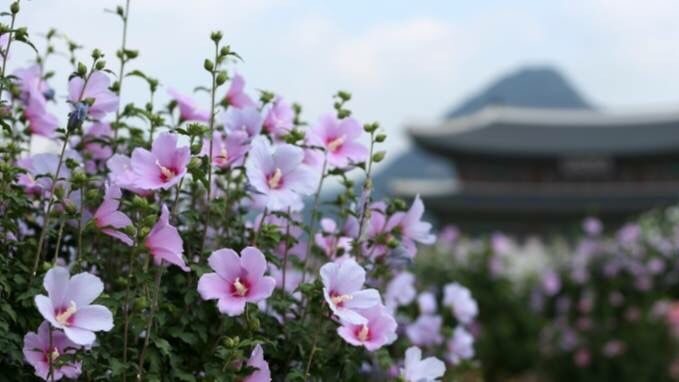
Mukuge, or Rose of Sharon, is a resilient flowering shrub that blooms continuously from summer through autumn. While each individual flower lasts only a single day, new blossoms appear daily, creating a long-lasting display throughout the season. This characteristic has made mukuge a symbol of perseverance, renewal, and enduring beauty. The flower is commonly found in temple gardens, residential neighborhoods, and traditional landscapes across Japan. Its vibrant colors and ability to thrive in summer heat make it a beloved seasonal flower.
Summer Cosmos (Aki-sakura)
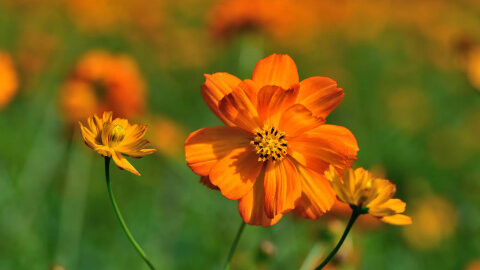
Although cosmos is often associated with autumn, certain varieties begin blooming during the summer months. Known as Kibana Cosmos, these flowers display bright shades of yellow, orange, and deep gold that perfectly complement Japan’s summer scenery. Unlike the softer pastel cosmos of autumn, summer cosmos bring a vibrant energy to flower fields and parks. They are highly resistant to heat and often bloom alongside sunflowers, creating spectacular seasonal landscapes. Their cheerful colors and abundance make them a favorite attraction for summer flower festivals throughout Japan.