
Japan is home to more than beautiful landscapes, historic temples, and bustling cities. It’s also filled with unique destinations where travelers can encounter fascinating animals, from monkeys soaking in hot springs to deer wandering through historic streets.
Whether you’re an animal lover, a wildlife enthusiast, or simply looking for something different to add to your itinerary, these 7 animal encounter destinations in Japan offer memorable experiences across the country.
Monkeys in Kyoto and Nagano
Japan’s monkeys are among the country’s most recognizable wildlife attractions. In Kyoto, Iwatayama Monkey Park offers the chance to observe Japanese macaques in a natural hillside setting, along with panoramic views of Kyoto. Visitors can also experience the designated feeding area while watching the monkeys interact.
For a different experience, head to Jigokudani Snow Monkey Park in Nagano, where Japanese macaques are famous for soaking in natural hot springs during the colder months. Winter, particularly from December to March, is generally the best time to witness this iconic scene.
Deer in Nara and Miyajima
If you’ve seen pictures of deer bowing to visitors in Japan, chances are you’ve come across Nara Park. Home to more than a thousand free-roaming deer, the park is one of Japan’s most famous animal destinations. Visitors can purchase special deer crackers and watch the deer approach in search of a treat.
Another place to encounter deer is Miyajima Island in Hiroshima Prefecture. As you explore the island’s walking paths and coastal scenery near Itsukushima Shrine’s famous floating torii gate, you may spot deer roaming freely around the area.
Although they may look tame, these deer are wild animals, so it’s important to follow local guidelines and avoid feeding them anything other than approved deer crackers in Nara.
Capybaras in Shizuoka and Nagasaki
Want to see one of the world’s largest rodents enjoying a warm bath? Japan’s capybara attractions offer a particularly adorable wildlife experience.
At Izu Shaboten Zoo in Shizuoka, capybaras are famous for their seasonal open-air hot spring baths, a tradition that has become a popular winter attraction. The experience is especially appealing when the weather turns cold and the capybaras gather in the warm water.
Meanwhile, Nagasaki Bio Park offers opportunities to observe capybaras in a more interactive setting. Depending on the designated area and current visitor rules, guests may be able to get closer to the animals and participate in supervised feeding experiences.
For animal lovers, these destinations offer a fun way to see capybaras beyond the usual zoo experience.
Rabbits on Okunoshima and Cats on Tashirojima
Japan has several islands known for their animal populations, making them intriguing destinations for travelers who want to explore beyond the major cities.
Okunoshima Island in Hiroshima Prefecture, often called Rabbit Island, is famous for the rabbits that roam around its paths and open spaces. Visitors can take a ferry to the island and observe the rabbits while enjoying a peaceful coastal setting.
For cat lovers, Tashirojima Island in Miyagi Prefecture is a well-known destination where cats roam around the island’s villages and harbor areas. The island’s longstanding association with cats has made it a popular stop for visitors looking for a quieter, more unusual travel experience.
When visiting either island, remember that these animals live in their own environment. Follow local feeding rules, avoid chasing or picking them up, and never leave food or rubbish behind.
Foxes in Miyagi and Brown Bears in Hokkaido
For travelers interested in wildlife, Japan offers opportunities to encounter animals that are less commonly seen in urban areas.
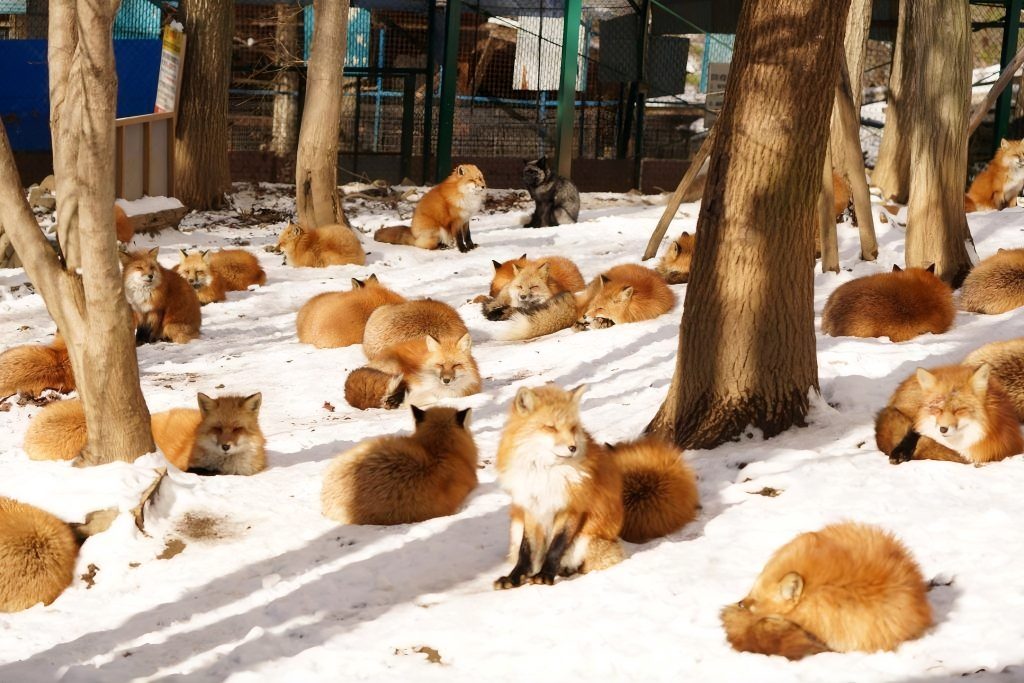
In Miyagi Prefecture, Zao Fox Village is known for its foxes living in a forest ike enclosure. Visitors can observe several foxes at the facility and learn about these fascinating animals. Since foxes are not domesticated pets, visitors should follow the facility’s instructions carefully and avoid touching them unless explicitly permitted.
For a more natural wildlife experience, consider a guided boat tour along Hokkaido’s Shiretoko Peninsula. This UNESCO World Heritage area is known for its rich ecosystem, and during suitable seasons, visitors may spot wild brown bears along the coastline.
Bear sightings are never guaranteed, and viewing conditions depend on the season and weather. Choosing a responsible operator and following all wildlife safety instructions are essential.
Birds in Hokkaido and Sea Turtles in Okinawa
Japan’s wildlife experiences aren’t limited to land animals. The country’s northern and southern regions also offer opportunities to observe birds and marine life.
In eastern Hokkaido, Kushiro is famous for its endangered red crowned cranes, particularly during winter when the snowy landscape creates a striking backdrop. Meanwhile, Rausu on the Shiretoko Peninsula is known for winter wildlife cruises where visitors may spot Steller’s sea eagles and other seabirds, depending on conditions.
At the other end of Japan, the Kerama Islands in Okinawa offer clear waters, coral reefs, and opportunities to encounter sea turtles while snorkeling or diving. Seasonal whale-watching tours are another highlight in the wider Okinawa region, particularly during the winter migration season.
Whether you prefer watching birds against snowy landscapes or exploring tropical marine environments, these destinations show just how diverse Japan’s wildlife can be.
Plan Your Animal Adventure in Japan with Satami
From Kyoto’s monkey park and Nara’s famous deer to Hokkaido’s wildlife cruises and Okinawa’s marine encounters, Japan offers plenty of ways to add something special to your trip.
The best destinations depend on your travel dates, preferred activities, and the regions you plan to visit. Some wildlife experiences are seasonal, and animal sightings can never be guaranteed, so it’s worth planning ahead.
Want to include these animal destinations in your Japan itinerary? Let Satami help arrange your transportation, hotel bookings, and customized travel plans so you can spend more time enjoying your trip.